By Shari Photography · St. Louis, MO · 11 min read
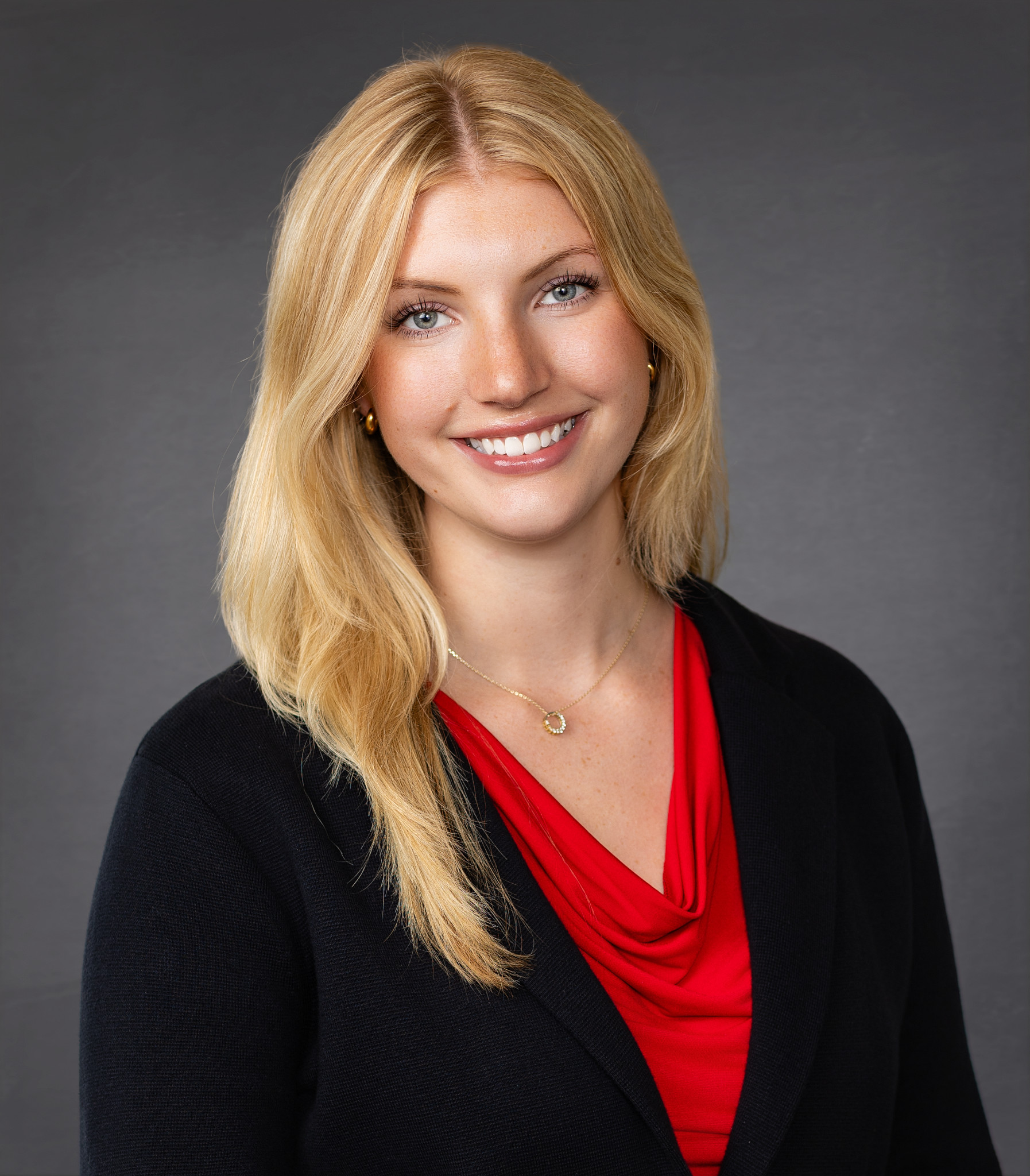
You’ve survived four years of medical school. You’ve logged thousands of clinical hours, passed your boards, and earned the right to apply for residency. Now one photo — a single image uploaded to your ERAS application — will appear in front of every program director who reviews your file. No pressure. But let’s talk about why that photo matters more than most applicants realize, and what it takes to get it right. ERAS residency headshot St. Louis by Shari Photography.
What is ERAS and why does your headshot matter so much?
ERAS — the Electronic Residency Application Service — is the centralized system through which medical students in the United States apply to residency programs. It’s the gateway to your career as a practicing physician. Your ERAS application includes your CV, personal statement, board scores, letters of recommendation, and one professional photograph. ERAS residency headshot St. Louis by Shari Photography.
That photograph accompanies your application to every single program you apply to. In competitive specialties, applicants routinely apply to 50, 80, even 150 or more programs. Your headshot is seen by program directors, coordinators, and selection committees at every one of them — often before they read a single word of your application.
Think about that. Your ERAS headshot is potentially seen by hundreds of physicians and program directors across the country. It is the first impression you make on every person who holds your future career in their hands. No other photo you take in your professional life reaches that many decision-makers simultaneously.


The stakes are extraordinarily high
Residency placement determines the trajectory of your entire medical career. The program you match into shapes your training quality, your subspecialty opportunities, your professional network, your geographic future, and your earning potential for decades. This is not hyperbole — where you train matters enormously in medicine.
- 40,000+ Applicants annually Competing for residency spots through ERAS each application cycle
- 150+ Programs see your photo In competitive specialties, your headshot reaches hundreds of program directors
- 7 sec First impression window The time a reviewer takes to form an initial impression from your application photo
And yet — year after year — applicants submit blurry selfies, smartphone photos taken in bathrooms, outdated images from college, and shots with poor lighting, distracting backgrounds, or unprofessional attire. In a stack of 300 applications, a poor photo doesn’t just fail to help you. It actively signals a lack of seriousness about one of the most consequential steps of your career.
What program directors actually see — and think
Program directors are human. Cognitive biases are real. Research consistently shows that people form immediate, persistent impressions from photographs — impressions of competence, trustworthiness, warmth, and professionalism — that influence subsequent judgment even when evaluators consciously try to remain objective.
A professional, well-executed headshot communicates several things instantly: that you take your application seriously, that you understand professional standards, that you present yourself with intention. These are qualities program directors are actively looking for in the physicians they’re about to train for three to seven years.
Conversely, a poor photo can create a subtle but persistent negative halo that colors how a reviewer reads the rest of your application. It’s not fair. It’s human nature.
A program director at a major academic medical center put it plainly: applicants who submit poor photos are communicating — without words — that they didn’t think this mattered. In a field where attention to detail is literally a matter of life and death, that signal is hard to ignore.
What makes a great ERAS residency headshot?
ERAS has specific technical requirements for the photo: it must be a JPEG, at least 2.5 x 3.5 inches at 150 dpi, with a plain white or off-white background. But meeting the technical requirements is just the floor. What separates a forgettable photo from a powerful one comes down to these elements:
What your ERAS headshot must get right
- Lighting: Clean, even, professional studio lighting — no harsh shadows, no overhead fluorescents, no window glare
- Background: Plain white or neutral — no gradients, no textures, no environmental clutter
- Expression: Approachable, confident, and warm — the expression of a physician patients would trust
- Attire: Professional and specialty-appropriate — business professional or white coat depending on your field
- Composition: Head and shoulders, properly framed, with correct focal length — no fisheye distortion from smartphone cameras
- Retouching: Natural and subtle — polished but authentic, not heavily filtered or obviously altered
- Resolution: Meeting ERAS minimum specs with room to spare — 150 dpi minimum, ideally higher
A smartphone photo — even a good one — almost never achieves all of these things simultaneously. The focal length of a phone camera at close range distorts facial features. The auto-exposure rarely produces the clean, controlled lighting that reads as professional. And there’s no substitute for the directing expertise of a professional photographer who knows how to draw out confidence and warmth in a subject who’s never been photographed this way before.
The white coat question: should you wear one?
This is one of the most common questions we hear from medical students preparing for their ERAS headshot. The answer depends on your specialty and personal brand — but here’s the nuanced take:
For primary care, family medicine, pediatrics, and internal medicine specialties, a white coat can powerfully communicate your identity as a clinician and your commitment to patient care. It’s expected, trusted, and reads extremely well on camera when photographed correctly.
For surgical subspecialties, radiology, pathology, anesthesiology, and research-heavy programs, business professional attire — a well-fitted suit or blazer — may project the precision, authority, and professionalism those program cultures value. Some applicants choose to bring both and make the final call after seeing the results.
At Shari Photography, we discuss specialty norms and wardrobe strategy during your pre-session consultation so you arrive prepared and confident. Browse our medical headshot gallery to see examples of both approaches and how they photograph in our St. Louis studio.
When should you schedule your ERAS headshot?
Timing is critical. ERAS applications typically open in late June and the submission window runs from mid-August through September. Most applicants aim to have their applications complete and submitted in September for the best interview odds. That means your headshot should be done — and done well — well before August.
April – May
Ideal window. Schedule your session now. You have time to reshoot if needed, and you’re not competing with the late-summer rush of applicants who all waited too long.
June – July
Good window — act quickly. ERAS opens in late June. You want your photo ready when you begin building your application, not scrambling to add it at the end.
August
Tight but workable. Studios get busy in August with ERAS applicants. Availability narrows. Do not leave this until the week before you submit.
September+
Risky. Applications are already in front of program directors. A poor photo has already made its impression. Book earlier next cycle.
This photo follows you further than ERAS
Here’s something most applicants don’t think about until after the fact: the headshot you take for ERAS doesn’t stop being useful when Match Day arrives. A great residency headshot goes on to serve you in multiple high-stakes contexts:
Your hospital and residency program directory. Your medical school alumni profile. Your LinkedIn as you begin building your professional network. Speaker bios if you present research at conferences. Fellowship applications — because after residency comes the next competitive application cycle. Publications and journal contributor bios. The investment you make in one great photo pays dividends across years of your early career.
Ready to see our session options? View our headshot packages and pricing — we offer session tiers designed to fit the schedules and budgets of medical students and residents.
Why St. Louis medical students choose Shari Photography
Shari Photography is located at 5205 Gravois Ave in St. Louis — centrally accessible for students at Washington University School of Medicine, Saint Louis University School of Medicine, and other regional programs. We’ve worked with medical students, residents, fellows, and attending physicians across virtually every specialty.
We understand the specific technical requirements of ERAS. We know what program directors in different specialties respond to. We know how to direct someone who’s spent the last four years in clinical rotations rather than in front of a camera. Our goal in every session is the same: to produce a photograph that represents you at your most professional, most confident, and most genuinely yourself.
Because the person in that photo is about to become a doctor. That deserves to be captured correctly.
Frequently asked questions about ERAS headshots
What are the exact ERAS photo requirements?
ERAS requires a JPEG image, minimum 2.5 x 3.5 inches at 150 dpi, with a plain white or off-white background. The photo must be a professional headshot — no casual photos, group photos, or images with visible distractions. We meet and exceed all of these requirements in every session.
Can I just use a photo from my white coat ceremony?
We strongly advise against it. White coat ceremony photos are typically taken in large group settings with variable lighting, inconsistent backgrounds, and wide-angle lenses that distort proportions. They read as amateur on an application where everyone else has submitted a clean studio portrait. This is one of the most consequential applications of your life — it deserves a photo taken for exactly this purpose.
How long does a session take?
Most of our headshot sessions run 30 to 60 minutes. We build in time for wardrobe changes if you want to capture both white coat and business professional options. You’ll leave with more than enough high-quality images to select from.
Will you retouch the photos?
Yes. Every delivered image receives professional retouching — natural, subtle refinements that enhance without altering who you are. We don’t apply heavy filters or remove distinguishing features. The goal is the best version of you, not a different person.
Your residency application opens soon. Book your ERAS headshot session in St. Louis today.Book your session online

