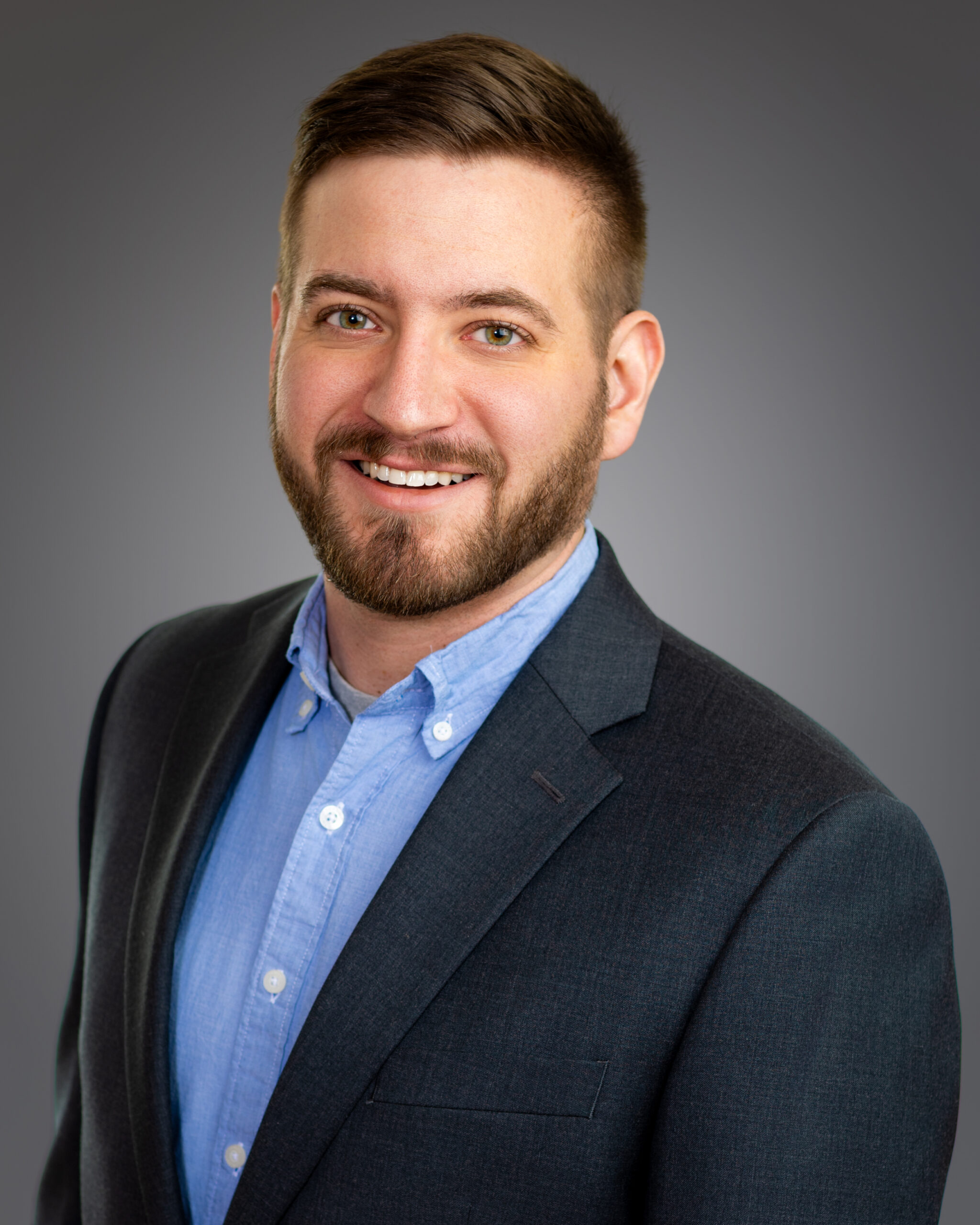
AI-generated headshots promised to solve a real problem. Professional photography was expensive, time-consuming, and intimidating — and for a fraction of the cost and in a fraction of the time, AI tools seemed to offer a shortcut that made sense.
The problem is that the shortcut is now costing people more than the original investment would have.
In 2026 the backlash toward AI headshots is real and measurable. Recruiters and clients increasingly prefer and trust real photos that show genuine character — laugh lines, real smiles, subtle personality. Wikipedia The professionals who went the AI route in 2024 and 2025 are now quietly replacing those images — because the business world has learned to spot them, distrust them, and in some cases penalize them.
Here is exactly what is happening — and why St. Louis professionals who are serious about their reputation need to understand it.
The AI Headshot Backlash Is Real
The momentum behind AI headshot tools was significant. Apps like HeadshotPro, InstaHeadshots, Aragon AI, and Canva’s AI headshot feature promised professional-looking results in minutes for under $50. Millions of professionals uploaded their selfies and replaced their LinkedIn photos with the results.
Then the professional world started paying attention.
LinkedIn itself has warned users that profile photos must reflect your actual likeness — and that photos not complying with their professional community policies may be removed. mySidewalk ZipRecruiter career expert Sam DeMase put it directly: “It is perceived as risky to use an AI headshot. While recruiters accept them, a bad AI-generated headshot will put off most recruiters.” mySidewalk
The backlash even reached the professional photography industry directly. At the Imaging USA conference in early 2026, AI editing company Evoto caused immediate controversy by launching an AI headshot generator — and the pushback from photographers, industry professionals, and customers was so loud and immediate that the company was forced to formally apologize and permanently remove the product. Point2Homes The incident exposed exactly how the professional world views AI as a replacement for authentic photography — with deep suspicion and resistance.
Why People Can Spot AI Headshots — Even When They Cannot Explain Why
You do not need to be a photographer or a technologist to sense that an AI headshot looks wrong. The human brain is extraordinarily sensitive to subtle facial cues — and AI consistently gets them slightly wrong in ways that register subconsciously even when they cannot be consciously identified.
A 2022 poll of 1,600 participants found that 38% described AI-generated headshots as “soulless” and lacking authenticity. An eye-tracking study published in i-Perception showed that people subconsciously spend more time viewing images they believe are human-made — even when they cannot consciously identify which is AI. We are wired to sense the difference even when we cannot articulate it. Data USA
The specific tells that give AI headshots away are consistent across tools — over-smoothed skin that removes natural facial texture, that weirdly symmetrical uncanny valley stare, and a plastic quality that makes even technically polished images feel fake. NeighborhoodScout
While AI tools promise convenience they cannot capture the nuances that make you you — the warmth in your eyes when you smile genuinely, the confident energy you bring to a room, or the subtle expressions that communicate trustworthiness and expertise. These algorithmic interpretations may look polished but they lack the soul and presence that comes from a real interaction with a professional photographer. City-Data
The result is an image that looks almost right but triggers an instinctive unease in anyone who sees it — exactly the opposite of what a professional headshot is supposed to do.
How AI Headshots Specifically Hurt Your Brand
The damage is not abstract. Here is exactly how an AI headshot works against you in specific professional contexts:
On LinkedIn AI-generated images have flooded LinkedIn and professionals and clients are increasingly wary of images that do not look genuinely human. Wikipedia In a platform where your photo is a primary trust signal — profiles with professional photos receive 21 times more profile views and 9 times more connection requests Wikipedia — an AI photo that triggers suspicion is worse than no photo upgrade at all. It signals to every recruiter, potential client, and referral partner who looks at your profile that you chose a shortcut over authenticity.
In Healthcare, Finance, Law, and Consulting For teams putting headshots on a corporate website where clients, patients, and partners will see them — AI-generated images carry real credibility risk. Data USA These are industries built entirely on trust. A prospective client or patient who senses something is off about your headshot — even if they cannot identify exactly what — is less likely to pick up the phone. The cost of that lost trust far exceeds the cost of a professional session.
When You Meet People in Person Trust erodes when the person on Zoom does not match the headshot on the website. NeighborhoodScout AI tools idealize your appearance — smoothing, symmetrizing, and subtly altering your features in ways that make the image look better but look less like you. The moment a client, colleague, or interviewer meets you in person and finds a disconnect between your photo and your actual appearance, your credibility takes an immediate and silent hit.
For Corporate Teams For large organizations AI creates more headaches than it solves. Consistency, clear copyright ownership, and quality control all remain challenges. Until those issues are resolved traditional photography still offers the most reliable brand-safe option. Jefflottmann A company website where one employee has a professional studio headshot and another has an AI-generated image creates exactly the kind of visual inconsistency that signals a disorganized, low-attention-to-detail organization.
What the Professional World Actually Wants in 2026
The backlash against AI is not just a reaction — it is driving a clear shift toward a specific kind of professional photography that is the direct opposite of what AI produces.
Today’s professionals want images that feel genuine and approachable while still maintaining polish and professionalism. This means natural expressions, relaxed postures, and minimal retouching that preserves character rather than erasing it. Clients are specifically requesting that we keep the laugh lines, the freckles, and other features that make them recognizable and human. City-Data
In 2026 credibility depends on believability. People want to see your real skin texture, your character lines, and the history in your face. The 2026 rule is polished — not plastic. NeighborhoodScout
The number one headshot trend for 2026 is real human expression. Coaching beats AI for trust and approachability. U.S. Census Bureau The specific expression that resonates — described as “confident but relaxed” — the kind of look that makes someone say “I could work with that person” Jefflottmann — is something that requires a skilled photographer coaching a real person in a real session. No AI tool currently produces it reliably.
The Real Cost Comparison
AI headshot tools are marketed on price. $29 for 30 images sounds like an obvious value compared to a professional session. But the comparison only holds up if you ignore what the professional session actually produces.
A professional headshot from Shari Photography starts at $225. It includes expert posing and expression coaching, studio lighting designed for your specific features, multiple looks, same-day image selection, and natural retouching delivered within 24 hours.
That image will be used on your LinkedIn profile, your company website, your speaker bio, your press features, and your proposals — working for you every single day for two to three years. Across that entire period the cost per impression rounds to almost nothing.
An AI headshot at $29 that costs you one client introduction, one recruiter’s attention, or one referral partner’s trust has already cost you more than the professional session would have.
What to Do If You Currently Have an AI Headshot
If your current LinkedIn profile, company website, or professional bio is using an AI-generated image — the fix is straightforward.
Book a professional session. Come into the studio. Leave with images that actually look like you at your best — not an AI’s interpretation of what you might look like on a perfect day that never happened.
At Shari Photography we have been photographing St. Louis professionals for over 15 years. Our clients consistently tell us the same thing — they came in nervous, they left with images they are proud to send people to, and they wish they had done it sooner.
Shari Photography serves professionals throughout St. Louis and the surrounding metro including Clayton, Chesterfield, Ladue, Creve Coeur, Kirkwood, and Webster Groves.