Building a modeling portfolio is one of the most important investments you will make in your career — and one of the most misunderstood. Most aspiring models show up to their first session with too many outfits, the wrong shots in mind, and no clear understanding of what agencies and clients are actually looking for when they open a book. The modeling portfolio guide.
This guide covers everything you need to know before your session — the specific types of shots every modeling portfolio requires, how many images you actually need, what to wear for each look, and what St. Louis agencies expect to see from first-time submissions.
If you are ready to book your session first — view model portfolio pricing → or book directly online →. If you want to do your research first — read on. This is everything you need to know.
How Many Images Does a Modeling Portfolio Need?
This is the first question most new models ask — and the answer depends entirely on where you are in your career.
First-Time Agency Submission For a first submission to a St. Louis agency — West Model, Images Agency, In Vū, Menagerie, or Barbizon — you do not need a complete book. You need 6 to 10 strong, varied images that show your potential. Agents at this stage are evaluating raw potential, natural photogenicity, and how well you take direction — not the size of your portfolio.
Working Toward Signed Representation Once you have an initial submission and are working toward a signed contract, your book should grow to 12 to 20 images across multiple looks, shot types, and categories. This range gives agents strong material to submit across different client types.
Working Model Updating Their Book Established models should update their portfolios regularly — ideally every 12 to 18 months or whenever their look changes significantly. A working book typically contains 20 to 30 images across all categories with recent tearsheets added as they accumulate.
The Golden Rule A smaller portfolio of genuinely strong images is always more effective than a large portfolio of mixed quality. Agencies flip through books quickly. The images that do not belong undermine the images that do. Edit ruthlessly and lead with your best work.
The Essential Shot Types Every Modeling Portfolio Needs
A complete modeling portfolio is not just a collection of photographs. It is a structured presentation of your range, your versatility, and your ability to serve different clients and different markets. Here are the specific shot types that every portfolio should contain — and what each one demonstrates.
1. The Clean Headshot
What it is: A simple, close-cropped image of your face — head and shoulders, neutral or simple background, minimal styling. Your features clearly visible, your expression natural and open.
What it demonstrates: Your bone structure, your skin, your eyes, and your natural photogenicity. This is the first image an agent or casting director looks at. It tells them immediately whether the camera loves your face — and it needs to be flawless.
What agencies want: Clean skin, natural makeup, hair away from the face for at least one version, direct eye contact with the camera, and an expression that is genuine rather than performed. No heavy retouching. No elaborate styling. No filters. Just you, clearly and honestly.
Common mistake: Over-styling or over-retouching this shot. Agents do not want to see you at your most glamorous. They want to see your starting point — because that is what they are signing. Let the shot breathe.
2. The Three-Quarter Shot
What it is: A wider shot showing your body from approximately the knee or hip up — enough to show your proportions, your posture, and how you carry yourself in front of the camera.
What it demonstrates: Your body type, your posture, your proportions, and your ability to pose your full body — not just your face.
What agencies want: Strong posture, natural body language, a clearly visible outfit, and an expression that is consistent with the energy of the look. This shot should communicate your overall physical presence and market category — commercial, fashion, or fitness.
Common mistake: Stiff, symmetrical posing that looks like you are standing at attention. Your body should have movement — weight shifted, slight angle, natural arm placement. This is where posing direction makes the biggest difference between an amateur shot and a professional one.
3. The Full-Length Shot
What it is: A head-to-toe image showing your complete body — including your footwear — against a clean background or simple environmental setting.
What it demonstrates: Your height, your proportions, your movement, and your ability to fill a frame. For fashion and runway models this is essential. For commercial models it is still important but less technically specific.
What agencies want: A shot that reads as strong from top to bottom. The footwear matters — the wrong shoes undermine an otherwise strong image. Your posture and body line are everything in this shot. An experienced photographer will direct you through specific poses that create the longest, most dynamic body line possible.
Common mistake: Feet together, body straight, no movement. This pose makes even experienced models look flat and stiff. Your full-length should have energy — a strong stance, a deliberate angle, and a sense that something is happening in the frame.
4. The Commercial Look
What it is: A bright, open, warm, and approachable image — the kind of photograph that could appear in an advertisement, a catalog, or a lifestyle campaign. Genuine smile, relatable energy, accessible styling.
What it demonstrates: Your ability to connect with a camera in a way that sells products, services, and ideas. Commercial modeling is one of the most active markets in St. Louis and the region — and your commercial look is what gets you submitted for advertising, catalog, and brand work.
What agencies want: Real warmth. Not a posed smile — a genuine one. Approachable clothing in lifestyle-friendly colors. A background or setting that reads as modern and clean. The expression should make a viewer feel immediately comfortable — like they are looking at someone they could trust.
Common mistake: Trying too hard. The commercial look fails when it looks effortful. The most effective commercial shots look effortless — like a candid moment of genuine happiness rather than a performed one.
5. The Fashion or Editorial Look
What it is: A stronger, more directional image with a defined mood, a fashion-forward outfit, and a more complex expression than the commercial look. This is where you demonstrate versatility and range — the ability to inhabit a concept rather than just smile for the camera.
What it demonstrates: Your ability to take direction, hold strong poses, embody a specific mood or character, and produce images that have a point of view beyond just showing what you look like.
What agencies want: A strong, specific expression — not blank, not smiling, not posed for the sake of posing. A clear concept in the wardrobe and styling. The sense that this image is telling a story or expressing an idea rather than simply documenting a person standing in front of a camera.
Common mistake: Trying to look fierce without understanding what fierce actually looks like. Strong editorial expressions come from a specific internal thought or emotion — not from squinting and putting a hand on your hip. Good posing direction unlocks this in ways that self-directed posing almost never does.
6. The Lifestyle Shot
What it is: A more candid-feeling image that places you in a recognizable everyday context — walking, laughing, interacting with an environment — that communicates your personality and relatability rather than your ability to hold a formal pose.
What it demonstrates: Your natural movement, your personality, and your ability to look genuinely alive in a frame rather than posed. Lifestyle images are increasingly important in commercial and brand modeling as advertising moves toward more natural, documentary-style aesthetics.
What agencies want: Genuine movement and genuine expression. The shot should look like it was caught rather than constructed — even though it was fully directed. This requires a photographer who can coach authentic movement rather than just telling you to “look natural” and hoping for the best.
7. The Character or Personality Shot
What it is: An image that shows a specific side of your personality — playful, serious, confident, vulnerable — that gives an agent or client insight into the range of characters you can play in front of a camera.
What it demonstrates: Range. The ability to be more than one thing. The versatility that separates models who book across multiple categories from those who are limited to a single type.
What agencies want: Something genuine. A personality shot that looks performed defeats its own purpose. The most effective personality shots come from a moment of real direction — a specific prompt that produces a genuine reaction rather than a manufactured one.
Wardrobe Guide for Your Modeling Portfolio Session
Wardrobe is where most models either get it right or lose the session before it starts. Here is the complete breakdown of what to bring, what to avoid, and how to think about your wardrobe choices strategically.
The Foundation: What Every Model Should Bring
White fitted t-shirt and well-fitted jeans This is the industry standard for natural and agency submission shots. It is not glamorous — and that is exactly the point. This combination is neutral enough to show your features clearly without any wardrobe distraction. It photographs cleanly in studio lighting and reads as professional without being dressed up. Every model at every level should have this in their session.
A simple fitted black dress or top Clean, simple, and versatile. A well-fitted black piece photographs with authority and works across commercial, fashion, and headshot categories. Keep it simple — no embellishment, no pattern, no visible branding.
One strong commercial color outfit Something bright but not overwhelming — coral, cobalt, emerald, or a warm red. Commercial clients and advertising agencies respond to color. This outfit should feel approachable and modern — the kind of thing someone would wear in a lifestyle advertisement.
One fashion-forward piece Something with a strong silhouette, interesting texture, or deliberate style. A structured jacket, a well-tailored trouser, a statement piece that has visual interest. This is your editorial look — it should feel intentional and directional rather than safe.
One lifestyle casual option Something that feels genuinely like you in your everyday life — elevated but relaxed. Clean denim, a quality sweater, a modern casual look that feels real rather than assembled. This is your lifestyle shot wardrobe.
Specific Wardrobe Guidelines
Colors that work in studio:
- Navy, black, white, grey, camel, and ivory photograph cleanly in all studio lighting
- Rich jewel tones — emerald, cobalt, burgundy, deep plum — add depth and commercial viability
- Warm neutrals — rust, terracotta, warm beige — photograph beautifully and are commercially relevant
Colors to avoid:
- Neon or fluorescent shades — they reflect color onto your skin and create unflattering casts
- Very light pastels — they often disappear against studio backgrounds
- Bright yellow — notoriously difficult to photograph cleanly
Patterns:
- Avoid busy patterns — small checks, tight stripes, loud prints — these create a visual shimmer effect on camera called moiré and become distracting in the final image
- Simple stripes in a large scale can work for lifestyle shots
- Clean texture — a subtle knit, a structured weave — adds visual interest without pattern problems
Fit:
- Everything you bring should fit properly right now — not after you lose five pounds, not with a belt cinching in a waist that is too big
- Clothes that do not fit signal to agents that you are not ready — the camera amplifies every fit problem significantly
- If something bunches, gaps, or pulls — leave it at home
Footwear:
- Footwear matters for full-length shots — bring at least two options
- For women: a clean heel and a flat or sneaker option gives versatility across commercial and lifestyle looks
- For men: a clean leather shoe and a quality sneaker cover most categories
- No visible wear — scuffed or worn shoes undermine an otherwise strong image
What to avoid entirely:
- Visible logos or brand names — unless the brand is the specific concept of the shoot, logos are a distraction and make images harder to license commercially
- Heavily embellished pieces — rhinestones, sequins, heavy beading — these overwhelm studio lighting
- Anything that requires constant adjustment — a strap that keeps slipping, a hem that keeps riding up, or anything that makes you uncomfortable creates tension in your expression and body language
How many outfits to bring: For a first submission session — four to six complete outfit changes including shoes. For a full portfolio session — six to eight. More options equal more versatility in your final images. We can always edit down at the session. We cannot add options we do not have.
Hair and Makeup for Your Modeling Session
Hair Bring clean, styled hair in at least two configurations — one with hair back or away from your face for your clean headshot, and one with your hair in whatever style best represents your commercial and fashion looks. If you color your hair, touch up roots at least five days before your session — fresh color photographs more evenly than color applied the same day.
Makeup For first-time agency submission shots — minimal makeup is almost always better. Agents want to see your skin, your features, and your natural potential. Heavy makeup masks exactly what they are trying to evaluate.
For commercial and editorial looks — polished and intentional is the goal. Think of it as makeup for your most important professional appearance rather than a social event. Even, matte skin, defined eyes, a clean lip. If you are not confident in your makeup skills for camera — consider booking a professional makeup artist for at least part of your session. We can provide recommendations for St. Louis makeup artists who work regularly with models.
What to avoid:
- Shimmer or glitter products — they reflect studio lighting in ways that look unflattering in photographs
- Heavy contouring that does not match your natural bone structure
- Bold lip colors for your clean headshot — save those for your editorial or commercial looks
- Any new product you have never worn before — sessions are not the time for experimentation
What St. Louis Agencies Are Actually Looking For
Understanding what the agencies in your market want from a first submission significantly changes how you should approach your session. Here is what the major St. Louis agencies consistently look for in new talent:
West Model & Talent Management — One of St. Louis’s most established agencies. They represent models for commercial print, fashion, runway, and promotional work. First submissions should lead with a strong clean headshot and a full-length shot. They are evaluating natural potential and photogenicity above everything else at the submission stage.
Images Agency — Broad representation across commercial, print, and promotional categories. They work with clients ranging from local advertising to regional campaigns. A versatile commercial look is essential for their client base.
In Vū Model and Talent Management — Represents talent for modeling, acting, and promotional work. They value range — the ability to serve multiple markets. A submission that shows only one look is at a disadvantage compared to one that demonstrates versatility.
Menagerie Models — Fashion-forward positioning with emphasis on editorial and commercial work. A stronger editorial look in your submission will resonate with their aesthetic more than a purely commercial portfolio.
Barbizon — Works extensively with young talent and students. First submissions from younger models should be clean, simple, and focused on natural potential rather than elaborate styling.
Frequently Asked Questions
Do I need modeling experience before booking a portfolio session? No. Many of our best portfolio sessions are with models who have never worked professionally. Expression coaching and posing direction are included in every session. You do not need to know what to do in front of the camera — that is entirely our responsibility.
Should I hire a makeup artist for my session? For your clean headshot and natural submission shots — minimal or no makeup is often better. For commercial and editorial looks, a professional makeup artist can significantly elevate your images. We can recommend trusted St. Louis makeup artists who work regularly with models if you would like to add one to your session.
How long does a portfolio session take? Most full portfolio sessions run between one and two hours depending on the number of looks and the scope of your package. We build enough time into every session to get every look right — you will never be rushed through outfit changes or feel like you only got one attempt at each shot.
Can you help me prepare my portfolio for a specific agency? Yes. If you are targeting a specific St. Louis agency, let us know before your session. Different agencies have different aesthetics and submission preferences, and we can tailor your session accordingly.
I am a parent booking for my child or teenager — do you photograph younger models? Yes. We photograph models of all ages including children, teens, and young adults. Parent or guardian presence is welcome and encouraged throughout all sessions with minors.
How many final images will I receive? This depends on the package you select. You will review and choose your favorites during same-day image selection before you leave the studio — so you always know exactly what you are getting. Your retouched images are delivered within 24 hours.
What is the difference between a modeling portfolio session and a headshot session? A headshot session focuses on a single strong image for one primary use — typically LinkedIn, a corporate directory, or an acting submission. A modeling portfolio session produces a range of images across multiple looks, shot types, and categories — designed to demonstrate your versatility to agents, casting directors, and commercial clients. The scope, preparation, and deliverables are significantly broader.
Ready to Build Your St. Louis Modeling Portfolio?
Your portfolio is your career. Let’s build one that opens the doors you are ready to walk through.
View model portfolio pricing →
See the model portfolio page →
View the business headshot gallery →
Book your portfolio session online →
Questions about what package is right for your goals? Call or text 314-221-2166 — most questions answered in under two minutes. No pressure. Just an honest conversation about what will serve your career best.
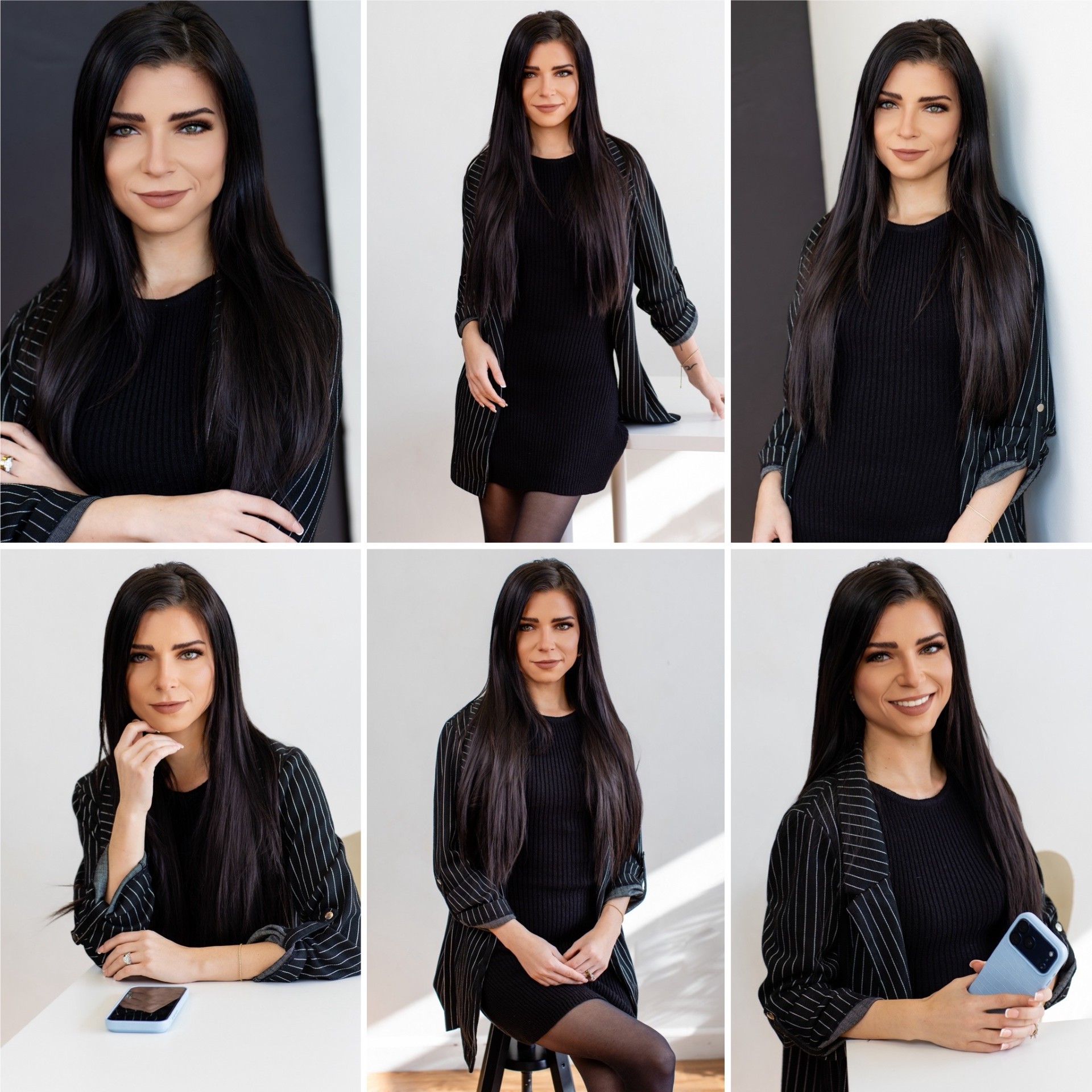
Shari Photography serves models and talent throughout the St. Louis area including Clayton, Chesterfield, Ladue, Creve Coeur, Kirkwood, and Webster Groves.